

































Rina থেকে She, কিন্তু They কাকে বোঝায়? Pronoun ও Reference সহজে শিখুন
Pronoun, antecedent, subjective-objective form, singular they, who-whom ও unclear reference শিখুন সহজ বাংলা ব্যাখ্যা ও অনুশীলনে।
Fearless English Grammar & Composition | পর্ব ৯
Rina থেকে She, কিন্তু They কাকে বোঝায়?
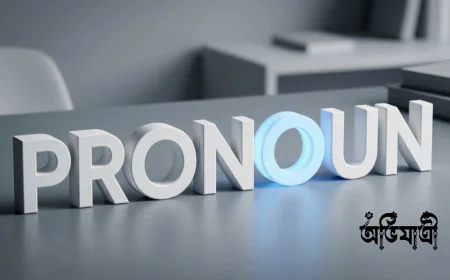
Pronoun একটি ছোট Word। কিন্তু Pronoun-এর form বা reference ভুল হলে পুরো Sentence-এর অর্থ বদলে যেতে পারে। তাই Pronoun শেখা মানে শুধু I, you, he, she মুখস্থ করা নয়। Pronoun কাকে নির্দেশ করছে, Sentence-এ কী কাজ করছে এবং Antecedent-এর সঙ্গে তার মিল আছে কি না, সেগুলোও বুঝতে হবে।
এই নিবন্ধটি মোঃ মেহেদি হাসান রচিত Fearless English Grammar & Composition বইয়ের Pronouns and Pronoun Reference অধ্যায়ের ধারণা, ব্যাখ্যা, উদাহরণ ও অনুশীলনের ভিত্তিতে অভিযাত্রীর পাঠকদের জন্য সম্পাদিত।
Pronoun শুধু Noun-এর পরিবর্তে বসে না। Pronoun পাঠককে জানায়, আমরা কার কথা বলছি, কে কাজ করছে, কাকে কাজটি প্রভাবিত করছে এবং কোনো বস্তু বা ধারণার সঙ্গে কার সম্পর্ক রয়েছে।
এই অধ্যায়ে যা শিখবেন
- Pronoun ও Antecedent
- Person, Number ও Case
- Subjective ও Objective form
- Possessive Determiner ও Possessive Pronoun
- Reflexive ও Intensive Pronoun
- Demonstrative, Interrogative ও Relative Pronoun
- Indefinite, Distributive ও Reciprocal Pronoun
- Agreement, singular they এবং clear reference
- Traditional exam grammar ও modern usage
- বাংলা-English contrast
পূর্বপ্রয়োজনীয় জ্ঞান ও Diagnostic Check
এই অধ্যায়ের আগে Noun, Subject, Object, Number, Gender এবং Case-এর মৌলিক ধারণা জানা প্রয়োজন। Subjective form Subject হিসেবে এবং Objective form Verb বা Preposition-এর Object হিসেবে ব্যবহৃত হয়।
সঠিক form নির্বাচন করুন:
- Rina and I/me completed the project.
- The teacher called Rafi and I/me.
- This is her/hers notebook.
- The notebook is her/hers.
- Rina introduced her/herself.
- Everyone should bring his or her/their identity card.
- Who/Whom did you invite?
- When Rina met Mina, she was carrying a bag. Who carried it?
- The company changed it's/its policy.
- They says/say the road is closed.
Pronoun কী?
A pronoun is a word that refers to or takes the place of a noun or noun phrase.
Pronoun হলো এমন Word, যা কোনো Noun বা Noun Phrase-এর পরিবর্তে ব্যবহৃত হয় অথবা সেটিকে নির্দেশ করে।
Rina entered the classroom. Rina opened Rina's bag. Rina took out Rina's book.
Sentenceগুলো grammatical হলেও পুনরাবৃত্তির কারণে যান্ত্রিক শোনায়।
Rina entered the classroom. She opened her bag and took out her book.
এখানে she ও her Rina-কে নির্দেশ করছে। Pronoun পুনরাবৃত্তি কমিয়েছে, পাশাপাশি ব্যক্তি ও grammatical function সম্পর্কেও তথ্য দিয়েছে।
Antecedent ও Pronoun Reference
Antecedent হলো Pronoun যে Noun বা Noun Phrase-কে নির্দেশ করে। Pronounটি কাকে বা কীকে বোঝাচ্ছে, সেটিই তার reference।
Rina said that she was ready.
- Rina = Antecedent
- she = Pronoun
- she Rina-কে নির্দেশ করছে
Antecedent নির্ধারণে শুধু কাছাকাছি Noun দেখলে হবে না। Meaning, Number, Person ও structure পরীক্ষা করতে হয়। যেমন, The box of pencils is in its place. এখানে its-এর Antecedent box, pencils নয়।
Personal Pronoun-এর পূর্ণ রূপ
| Person | Subject | Object | Determiner | Possessive | Reflexive |
|---|---|---|---|---|---|
| First singular | I | me | my | mine | myself |
| First plural | we | us | our | ours | ourselves |
| Second | you | you | your | yours | yourself / yourselves |
| Third singular | he/she/it | him/her/it | his/her/its | his/hers | himself/herself/itself |
| Third plural | they | them | their | theirs | themselves |
Subjective ও Objective Pronoun
Subjective Pronoun Subject হিসেবে কাজ করে। Objective Pronoun Verb বা Preposition-এর Object হিসেবে কাজ করে। সঠিক form বেছে নিতে Pronounটির grammatical function দেখতে হবে।
Wrong: Me and Rafi completed the project.
Wrong: The teacher called Rafi and I.
Right: Rafi and I completed the project.
Right: The teacher called Rafi and me.
Possessive Determiner ও Possessive Pronoun
Possessive Determiner Noun-এর আগে বসে: my book, her pen, their house। Possessive Pronoun Noun ছাড়া একা ব্যবহৃত হয়: The book is mine. The pen is hers. The house is theirs.
Wrong: This is hers book. / This book is her. / The decision is your's.
Right: This is her book. / This book is hers. / The decision is yours.
Its হলো Possessive Determiner, কিন্তু it's হলো it is বা it has-এর contraction।
Reflexive ও Intensive Pronoun
Reflexive Pronoun ব্যবহৃত হয় যখন Subject-এর কাজ একই Subject-এর ওপর ফিরে আসে: Rina introduced herself. I hurt myself. একই form শুধু জোর দিতে ব্যবহৃত হলে সেটি Intensive Pronoun: The principal herself opened the programme.
Wrong: Myself Mehedi Hasan. / Please contact myself. / Rafi and myself completed the work.
Right: I am Mehedi Hasan. / Please contact me. / Rafi and I completed the work.
Demonstrative, Interrogative ও Relative Pronoun
Demonstrative Pronoun
This, that, these, those একা ব্যবহৃত হলে Pronoun: This is useful. Those are expensive. Noun-এর আগে এলে Determiner: This book is useful. Those bags are expensive.
Who বনাম Whom
Traditional grammar-এ who Subjective এবং whom Objective। Who called Rafi? প্রশ্নের উত্তর he দিয়ে হতে পারে। Whom did Rafi call? প্রশ্নের উত্তর him দিয়ে হতে পারে। Informal modern English-এ Object position-এ who বহুল ব্যবহৃত, কিন্তু formal writing ও traditional exam grammar-এ whom প্রত্যাশিত হতে পারে।
Relative Pronoun
Who, whom, whose, which, that Relative Clause যুক্ত করে। যেমন: The student who answered received a prize. The book that I bought is useful. Relative Pronoun Subject হলে অতিরিক্ত Subject বসে না। তাই The student who she answered ভুল। Object হলে defining clause-এ Pronoun বাদ যেতে পারে: The book I bought is useful.
Defining Clause Noun-এর পরিচয় নির্ধারণে প্রয়োজনীয়। Non-defining Clause অতিরিক্ত তথ্য দেয়, comma দিয়ে আলাদা হয় এবং সাধারণত that গ্রহণ করে না: Mr Rahman, who teaches English, has written a book.
Indefinite, Distributive ও Reciprocal Pronoun
Indefinite Pronoun অনির্দিষ্ট ব্যক্তি, বস্তু বা পরিমাণ বোঝায়: someone, anyone, everyone, nobody, something, many, few, several। Everyone, someone, each, either ও neither সাধারণত Singular Verb গ্রহণ করে: Everyone is ready. Someone has called.
Distributive Pronoun দলের সদস্যকে পৃথকভাবে নির্দেশ করে: Each has a notebook. Either will work. Neither is correct. Reciprocal Pronoun পারস্পরিক কাজ বোঝায়: Rafi and Mina helped each other. Modern usage-এ each other ও one another-এর সংখ্যাভিত্তিক কঠোর পার্থক্য নিয়মিত মানা হয় না।
Pronoun-Antecedent Agreement ও Singular They
Agreement মানে Pronoun ও Antecedent-এর Number ও Person-এর সামঞ্জস্য। Rina submitted her assignment. The students submitted their assignments. দুটি Antecedent and দিয়ে যুক্ত হলে সাধারণত plural Pronoun হয়: Rafi and Mina submitted their work.
Singular they একজন অজ্ঞাত, অনির্দিষ্ট বা gender-neutral ব্যক্তিকে নির্দেশ করতে পারে: Someone left their umbrella. Every student should submit their assignment. একজনকে নির্দেশ করলেও verb form হবে they are, they have, they do, কখনো they is নয়।
Clear ও Unclear Pronoun Reference
Ambiguous Reference
When Rina met Mina, she was carrying a red bag.
She Rina বা Mina উভয়কেই বোঝাতে পারে। পরিষ্কার form: Rina was carrying a red bag when she met Mina. অথবা When Rina met Mina, Mina was carrying a red bag.
Vague, Broad ও Remote Reference
They say the road will be closed Sentence-এ they কারা, context ছাড়া জানা যায় না। পরিষ্কার form: Local officials say the road will be closed. কখনও which পুরো আগের ঘটনার দিকে নির্দেশ করে: The school changed the routine without notice, which upset the students. Pronoun ও Antecedent অনেক দূরে থাকলে নামটি আবার ব্যবহার করা অধিক পরিষ্কার হতে পারে।
Dummy It, Anticipatory It ও Generic You
Dummy it নির্দিষ্ট Noun-কে নির্দেশ না করেও grammatical Subject হিসেবে ব্যবহৃত হয়: It is raining. It is five o'clock. It is ten kilometres to the town.
Anticipatory it পরের দীর্ঘ Subject বা ধারণার জায়গা আগে পূরণ করে: It is difficult to explain the problem. এখানে আসল ধারণা হলো to explain the problem। Generic you সাধারণ মানুষকে বোঝাতে পারে: You never know what may happen. Formal writing-এ প্রয়োজন হলে people, readers বা নির্দিষ্ট group ব্যবহার করা ভালো।
বাংলা ও English-এর Pronoun ব্যবস্থার পার্থক্য
বাংলার সে ও তার সাধারণত Gender প্রকাশ করে না। তাই সে আমাকে বলেছে যে তার বইটি হারিয়েছে context অনুযায়ী He told me that he had lost his book, She told me that she had lost her book অথবা gender-neutral context-এ অন্যভাবে অনূদিত হতে পারে। তথ্য না থাকলে ইচ্ছামতো he বা she বেছে নেওয়া ঠিক নয়।
রহিম করিমকে বলল যে সে যাবে Sentence-এ সে রহিম না করিম, তা অস্পষ্ট। অনুবাদের আগে reference পরিষ্কার করতে হবে। বাংলার আপনি, তুমি ও তুই সামাজিক দূরত্ব ও সম্মান প্রকাশ করে, কিন্তু English you এই পার্থক্য সরাসরি প্রকাশ করে না। তাই Pronoun অনুবাদে context, tone ও relationship গুরুত্বপূর্ণ।
Vocabulary: গুরুত্বপূর্ণ English Term-এর বাংলা অর্থ
Pronoun
বাংলা অর্থ: Noun-এর পরিবর্তে ব্যবহৃত বা Noun-কে নির্দেশ করা Word
Antecedent
বাংলা অর্থ: Pronoun যে Noun বা Noun Phrase-কে নির্দেশ করে
Reference
বাংলা অর্থ: Pronoun কাকে বা কীকে নির্দেশ করছে
Agreement
বাংলা অর্থ: Pronoun ও Antecedent-এর ব্যাকরণগত মিল
Subjective Pronoun
বাংলা অর্থ: Subject হিসেবে ব্যবহৃত Pronoun
Objective Pronoun
বাংলা অর্থ: Object হিসেবে ব্যবহৃত Pronoun
Possessive Determiner
বাংলা অর্থ: Noun-এর আগে বসা মালিকানাসূচক Word
Possessive Pronoun
বাংলা অর্থ: Noun ছাড়া একা ব্যবহৃত মালিকানাসূচক Pronoun
Reflexive Pronoun
বাংলা অর্থ: Subject-এর কাজ একই Subject-এর ওপর ফিরে এলে ব্যবহৃত Pronoun
Intensive Pronoun
বাংলা অর্থ: Subject বা Noun-এর ওপর জোর দেওয়া Pronoun
Relative Pronoun
বাংলা অর্থ: Noun-এর সঙ্গে বর্ণনামূলক Clause যুক্ত করা Pronoun
Restrictive Clause
বাংলা অর্থ: Noun শনাক্ত করতে প্রয়োজনীয় Clause
Ambiguous
বাংলা অর্থ: একাধিক অর্থ সম্ভব হওয়ায় অস্পষ্ট
Singular They
বাংলা অর্থ: একজন ব্যক্তিকে নির্দেশ করা they
Dummy Pronoun
বাংলা অর্থ: নির্দিষ্ট Noun ছাড়াই grammatical Subject হিসেবে ব্যবহৃত Pronoun
Reciprocal Pronoun
বাংলা অর্থ: পারস্পরিক কাজ বোঝানো Pronoun
Competitive Exam Archive
Official paper বা বিশ্বাসযোগ্য পূর্ণ scan ছাড়া কোনো প্রশ্নকে নির্দিষ্ট পরীক্ষার Verified Past Question বলা হয়নি। নিচের items পরীক্ষামুখী recurring patterns বোঝাতে Common Question Pattern ও Practice Question হিসেবে দেওয়া হলো।
Source Status: Common Question Pattern
The principal invited Rafi and _____. A. I B. me C. mine D. myself
উত্তর: B. me। Rafi and me Verb invited-এর Object।
Source Status: Practice Question
Which word is a distributive pronoun? A. such B. either C. that D. who
উত্তর: B. either। এটি দুইটির যেকোনো একটিকে পৃথকভাবে নির্দেশ করে।
স্তরভিত্তিক অনুশীলন
Foundation Level
- Rafi called I/me.
- He/him completed the work.
- This is my/mine book.
- The book is my/mine.
- Rina introduced her/herself.
- This/These are my shoes.
- Someone has/have called.
- Rafi and Mina helped each other/themselves.
SSC Level
- Rafi and I/me visited the museum.
- The teacher spoke to Rina and she/her.
- Everyone should bring their identity card. Explain agreement.
- This is the student who/whom answered.
- This is the student who/whom the teacher praised.
- Correct: Please contact myself.
- Correct: Between you and I, the plan is risky.
- Rewrite clearly: When Karim met Rafi, he was carrying a file.
HSC ও Advanced Level
- Explain the ambiguity: When Rina met Mina, she was carrying a bag.
- Explain her book and the book is hers.
- Identify it in It is raining.
- Identify it in It is difficult to solve the problem.
- Correct: If one wants to succeed, you must work hard.
- Explain why whom is formally correct in The person whom I met.
- Explain defining and non-defining relative clauses.
- Translate clearly: রহিম করিমকে বলল যে সে আগামীকাল আসবে।
ব্যাখ্যাসহ Answer Key
- me, কারণ Object।
- He, কারণ Subject।
- my, কারণ Noun-এর আগে Determiner।
- mine, কারণ formটি একা ব্যবহৃত।
- herself, কারণ কাজ একই Subject-এর ওপর ফিরেছে।
- These, কারণ shoes Plural।
- has, কারণ someone Singular।
- each other, কারণ কাজ পারস্পরিক।
- I, কারণ যৌথ Subject।
- her, কারণ Preposition-এর Object।
- Everyone Singular হলেও modern standard usage-এ singular their গ্রহণযোগ্য।
- who, কারণ Relative Clause-এর Subject।
- whom formal answer, কারণ Object। Informal usage-এ who-ও প্রচলিত।
- Please contact me.
- Between you and me, the plan is risky.
- Intended meaning অনুযায়ী নামটি পুনরাবৃত্তি করুন।
- She দুইজনকেই বোঝাতে পারে, তাই নাম ব্যবহার করুন।
- Her হলো Determiner, hers হলো Pronoun।
- আবহাওয়ার it হলো Dummy Pronoun।
- দ্বিতীয় Sentence-এ it Anticipatory Subject।
- If you want to succeed, you must work hard.
- Whom met-এর Object।
- Defining Clause পরিচয় নির্ধারণ করে; non-defining Clause অতিরিক্ত তথ্য দেয়।
- দুটি অর্থ সম্ভব: Rahim would come অথবা Karim would come। Intended person-এর নাম লিখুন।
Mastery Checklist
- Pronoun-এর Antecedent শনাক্ত করতে পারি
- Subjective ও Objective form নির্বাচন করতে পারি
- Possessive Determiner ও Pronoun আলাদা করতে পারি
- Reflexive ও Intensive Pronoun বুঝি
- Who ও whom context অনুযায়ী ব্যবহার করতে পারি
- Singular they-এর form বুঝি
- Ambiguous reference সংশোধন করতে পারি
- Traditional rule ও Modern usage আলাদা করতে পারি
শেষ কথা
Pronoun Noun-এর পুনরাবৃত্তি কমায়, কিন্তু Pronoun-এর সবচেয়ে গুরুত্বপূর্ণ কাজ বাক্যকে শুধু ছোট করা নয়। একটি কার্যকর Pronoun পাঠককে পরিষ্কারভাবে জানায়, কাকে বোঝানো হচ্ছে এবং Sentence-এর মধ্যে সেই ব্যক্তি, বস্তু বা ধারণা কী ভূমিকা পালন করছে।
Pronoun যত ছোট Wordই হোক, তার reference অস্পষ্ট হলে পুরো Sentence অস্পষ্ট হয়ে যেতে পারে। তাই form, function, Antecedent এবং context চারটিই পরীক্ষা করুন।
পরবর্তী পর্ব
পরবর্তী পর্বে থাকবে Adjectives: Types, Position and Comparison।
তথ্যসূত্র ও রেফারেন্স
- Purdue Online Writing Lab. “Using Pronouns Clearly.”
- APA Style. “Singular They.”
- Merriam-Webster. “Singular They.”
- Cambridge Dictionary, English Grammar Today. “Relative Pronouns.”
- British Council LearnEnglish. “Relative Pronouns and Relative Clauses.”
- National Curriculum and Textbook Board. মাধ্যমিক স্তরের English textbooks।
আপনার প্রতিক্রিয়া কী?
 পছন্দ
0
পছন্দ
0
 অপছন্দ
0
অপছন্দ
0
 ভালোবাসা
0
ভালোবাসা
0
 মজার
0
মজার
0
 রাগান্বিত
0
রাগান্বিত
0
 দুঃখজনক
0
দুঃখজনক
0
 চমৎকার
0
চমৎকার
0